
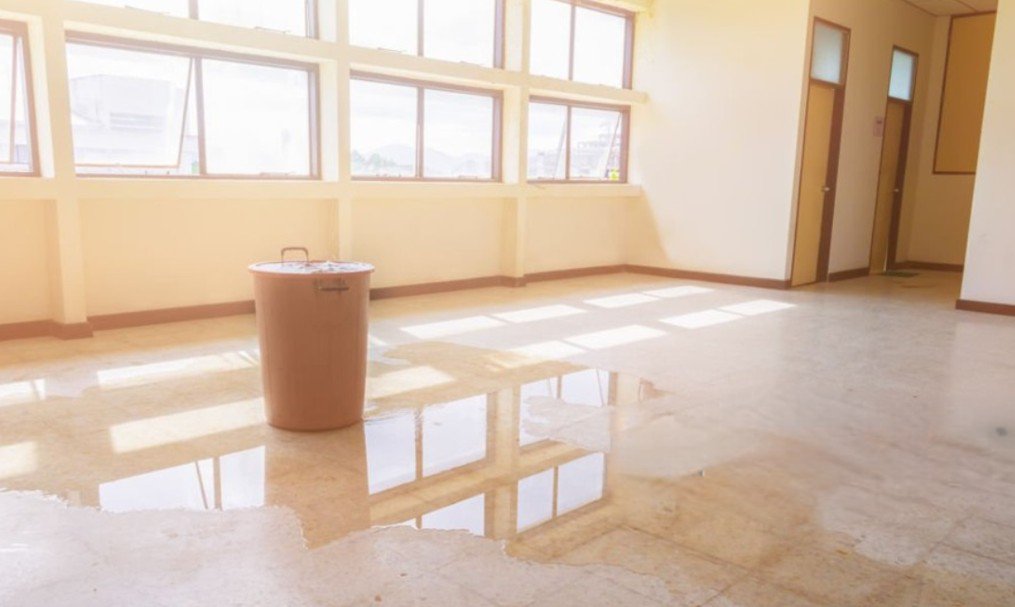
Roof problems do not always build slowly. Sometimes the change is immediate. A section of flashing fails during a storm. Water starts entering around rooftop equipment. Wind damages part of the membrane. A leak that seemed manageable suddenly begins affecting interior spaces, equipment, or operations. That is where emergency roofing becomes important. For commercial and industrial buildings, the goal is to stabilize the situation, limit added damage and prepare for the next roofing decision.
When Emergency Roofing Becomes Necessary
Not every roof issue needs an emergency call. Some problems can be scheduled through routine service, especially when the building is not actively exposed and the condition is stable. However, some situations should not wait.
Active water entry is one of the clearest examples. If water is entering during rain, or if roof damage has left part of the system exposed, the issue can worsen quickly. The same is true when flashing fails at a perimeter edge, curb, or penetration, or when storm damage creates an opening in the roof surface.
In commercial and industrial buildings, urgency also depends on what the problem is affecting. A leak above a low-risk area may still need prompt attention. A leak above a tenant space, electrical area, production zone, storage section, or mechanical room raises the stakes much faster.
Signs It Is Time to Call for Emergency Roofing
Some roof problems are clearly urgent. Others become emergencies because of timing, weather, or building exposure. In general, it is time to call when the condition is active, worsening, or likely to cause broader damage before routine scheduling would make sense.
Common signs include:
- active water entry into the building
- visible storm or wind damage
- lifted, punctured, or torn roof sections
- flashing failure at edges, curbs, or penetrations
- leaks affecting equipment, inventory, or operations
- recurring leaks that suddenly become worse
A problem does not have to look dramatic from the ground to require emergency roofing. In many cases, the issue is urgent because the building is still exposed and the damage is still developing.

What Building Teams Should Do First
Before the roofing team arrives, the first priority is protecting people and the interior space. Water near electrical systems, wet floors, weakened ceiling materials, and affected access paths can all create immediate risk. The area should be checked quickly and isolated if needed.
Building teams should also try to limit interior damage. That may include placing containers under active drips, moving vulnerable materials, covering equipment, and keeping people out of affected areas. In active facilities, it may also mean making short-term adjustments to keep operations safe until the roof issue is under control.
Documentation helps as well. Photos of the leak area, visible damage, ceiling conditions, and affected materials can support the repair process later. Notes on when the issue was first noticed, what the weather was doing, and whether the area has leaked before can also be useful.
The key point is to avoid improvised roof work. An unplanned patch or unsafe roof access can make the problem worse. The better move is to protect the building interior and get the right roofing response underway.
What Emergency Roofing Services Are Designed to Do
Emergency roofing is meant to stabilize the situation first. It is not always the same as a full repair completed in one visit.
In many cases, the first response focuses on controlling water entry, securing exposed areas, and reducing the chance of further damage. That may involve temporary sealing, securing loose materials, or addressing an exposed detail until fuller repair work can be completed under better conditions.
That distinction matters. During an emergency, the first goal is to stop the situation from getting worse. Once the roof is stable, follow-up through Estimates & Inspections can help determine the full scope of the problem and what the roof needs next.
What the Roofing Team Will Likely Be Looking For
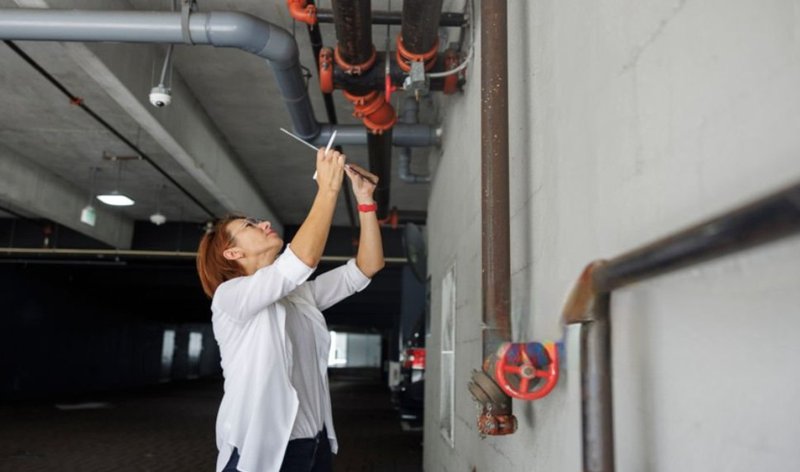
During an emergency call, the roofing team is not only looking at the place where water became visible inside. They are also trying to understand how the failure happened and what else may be affected.
That review may include:
- membrane damage
- flashing conditions
- drainage trouble
- punctures or storm impact
- penetrations around rooftop equipment
- nearby roof details that may also be under stress
This matters because the visible leak is often only part of the story. Water may enter in one place and appear somewhere else. A storm opening may expose nearby details that were already weak. In some cases, the emergency also reveals a broader issue tied to drainage, aging materials, or changes made to support rooftop equipment.
What Happens After the Immediate Emergency Response
Once the roof is stabilized, the next step is deciding what the problem actually requires. Some situations stay localized and can be handled through targeted Maintenance & Repair. Others call for a broader review to determine whether the issue is isolated or part of a wider roof condition.
That follow-up matters because emergency roofing addresses the immediate threat, but it may also uncover signs of hidden moisture, drainage problems, or aging materials. Depending on what the roof condition shows, the next step may involve Alterations & Retrofits, Coating Systems, or Roof Replacements when repairs no longer make practical sense.
Why Clear Expectations Matter
Roof emergencies create pressure, but the response should stay clear. The first goal is to control the immediate problem. The next is to understand what the roof needs after the building is stable.
That matters because not every emergency points to the same solution. Some problems can be handled with targeted repair. Others reveal broader wear, hidden moisture, or roof conditions that need closer review.
For commercial and industrial properties, a fast response is only part of the job. The next step matters too. If your building needs emergency roofing, Delta Roofing can help control the immediate issue and guide you toward the right repair path.

Leave a Reply