
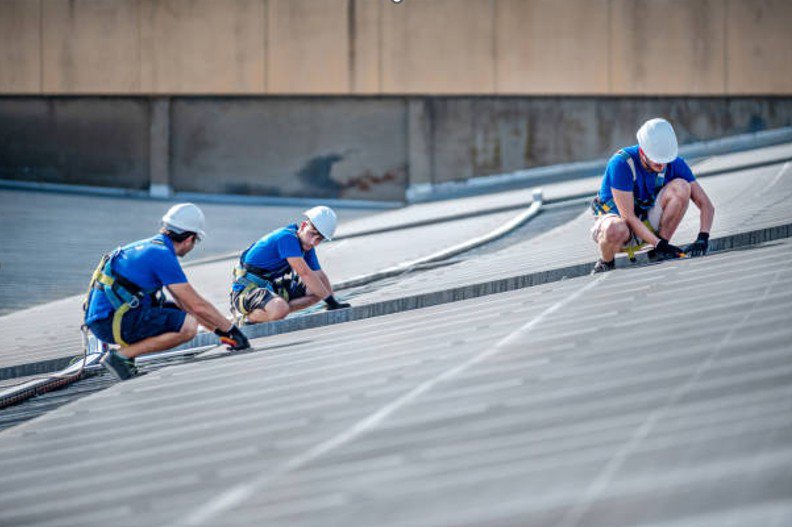
A commercial roof does not always fail all at once, which is why commercial roof inspections matter before replacement planning begins. Warning signs often build through repeated leaks, aging materials, drainage problems or repair costs that keep returning.
For facility managers and property managers, the key question is when another repair still makes sense and when full replacement is the better long-term decision. A clear inspection helps make that call with roof condition data instead of guesswork.
When Commercial Roof Repairs Stop Solving the Problem
Repairs are often the right first step when roof problems are isolated. A small membrane puncture, loose flashing detail, clogged drain or localized leak may be handled through targeted maintenance and repair. When issues are caught early, routine repair work can help extend the life of the roofing system and reduce the risk of unexpected damage.
The concern starts when repairs no longer provide lasting control. If the same areas keep leaking, seams continue to open, or several sections need attention at the same time, the problem may be bigger than one weak spot. It may be a sign that the commercial roof is reaching the end of its practical service life.
Facility managers should also watch how often roof issues disrupt the building. A repair every few years is different from repeated service calls after heavy rain; snow melt or freeze-thaw cycles. When maintenance teams are always reacting to leaks, interior stains or tenant complaints, the next question should be whether another repair will actually hold.
Hidden Moisture Can Point to a Larger Commercial Roof Issue
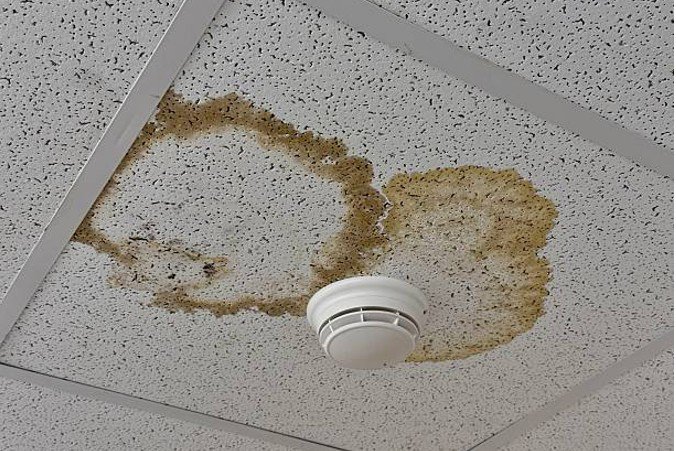
A commercial roof can look manageable from the surface while moisture is spreading below. Water does not always travel straight down from the entry point. It may move through insulation, along the deck, around penetrations or beneath membrane sections before it becomes visible inside the building.
That hidden moisture can create larger problems over time. Wet insulation can lose performance. Interior areas may become more vulnerable to leaks. Roof sections may feel soft underfoot. Repairs may also become less predictable because the visible leak may not show the full path of the water.
When moisture is suspected, commercial roof inspections can show whether the roof needs more than a quick surface patch. Estimates and inspections can help identify whether the issue is limited to one area or part of a larger roof condition. That information helps the building team decide whether targeted repairs are enough or whether full commercial roof replacement should be considered.
Roof Age Matters, But Condition Matters More
Age is an important factor in commercial roof planning, but it should not be the only one. Some roof systems continue performing with regular care. Others decline faster because of drainage problems, heavy rooftop traffic, old repairs, storm exposure or repeated freeze-thaw stress.
The better question is not only, “How old is the roof?” It is, “How is the roof performing now?” Facility managers should look for signs such as:
- widespread membrane wear
- recurring ponding water
- brittle or cracking materials
- repeated seam failures
- failing flashing details
- roof sections that no longer respond well to repairs
These issues can point to system-wide decline, especially when they appear across large roof areas or after every major weather event. At that point, commercial roof inspections can help determine whether the roof still has useful life or whether replacement planning should begin.

Rooftop Equipment Changes Can Increase Replacement Risk
Commercial roofs often change as the building changes. HVAC units may be added. Mechanical systems may be updated. New penetrations, flashings or roof openings may be needed to support operations. Each change can affect how the roof performs over time.
These areas can become weak points if they are not properly detailed and maintained. Flashing may loosen. Seals may wear down. Drainage paths may shift. Service traffic around equipment can also create extra wear on older roof sections.
When these issues are isolated, repair or retrofit work may be enough. Alterations and retrofits can support building changes that affect roof functionality, including custom metal flashings, fabrication and installation. However, if multiple penetrations, flashings or altered areas are failing at once, replacement may need to become part of the larger building plan.
Rising Repair Costs Can Make Replacement the Smarter Option
The cost of a full roof replacement can make building teams delay the decision. That is understandable, especially when budgets need to be planned around tenants, operations, equipment and other facility priorities.
However, repeated repairs can become expensive in a different way. A commercial roof may be moving toward replacement when roof service becomes a routine budget item instead of an occasional need. Frequent leak calls, interior cleanup, temporary fixes and emergency work can add pressure without solving the larger problem.
The cost is not only the roofing invoice. A failing roof can affect production areas, storage rooms, tenant spaces, mechanical systems or access routes. When repairs no longer protect the building with confidence, roof replacement may be the more practical long-term option.
Coating Systems May Help Some Commercial Roofs, But Not All
Some commercial roof systems may not need full replacement right away. If the roof is still structurally sound and the wear is mostly surface level, a coating system may help extend performance and add protection. This can be useful when the building team wants to improve roof performance without moving immediately into a full replacement project.
However, coatings are not a fix for every roof. A roof with widespread moisture, saturated insulation, major seam failures or recurring leaks may need more than a surface application. In those cases, coating over the problem can delay the bigger issue instead of solving it.
That is why condition matters first. Before considering coating systems, facility managers need a clear understanding of the roof’s current state. If your building has recurring leaks, rising repair costs or signs that the roof is nearing the end of its service life, Delta Roofing can help assess the system and outline the next practical step.
Leave a Reply