
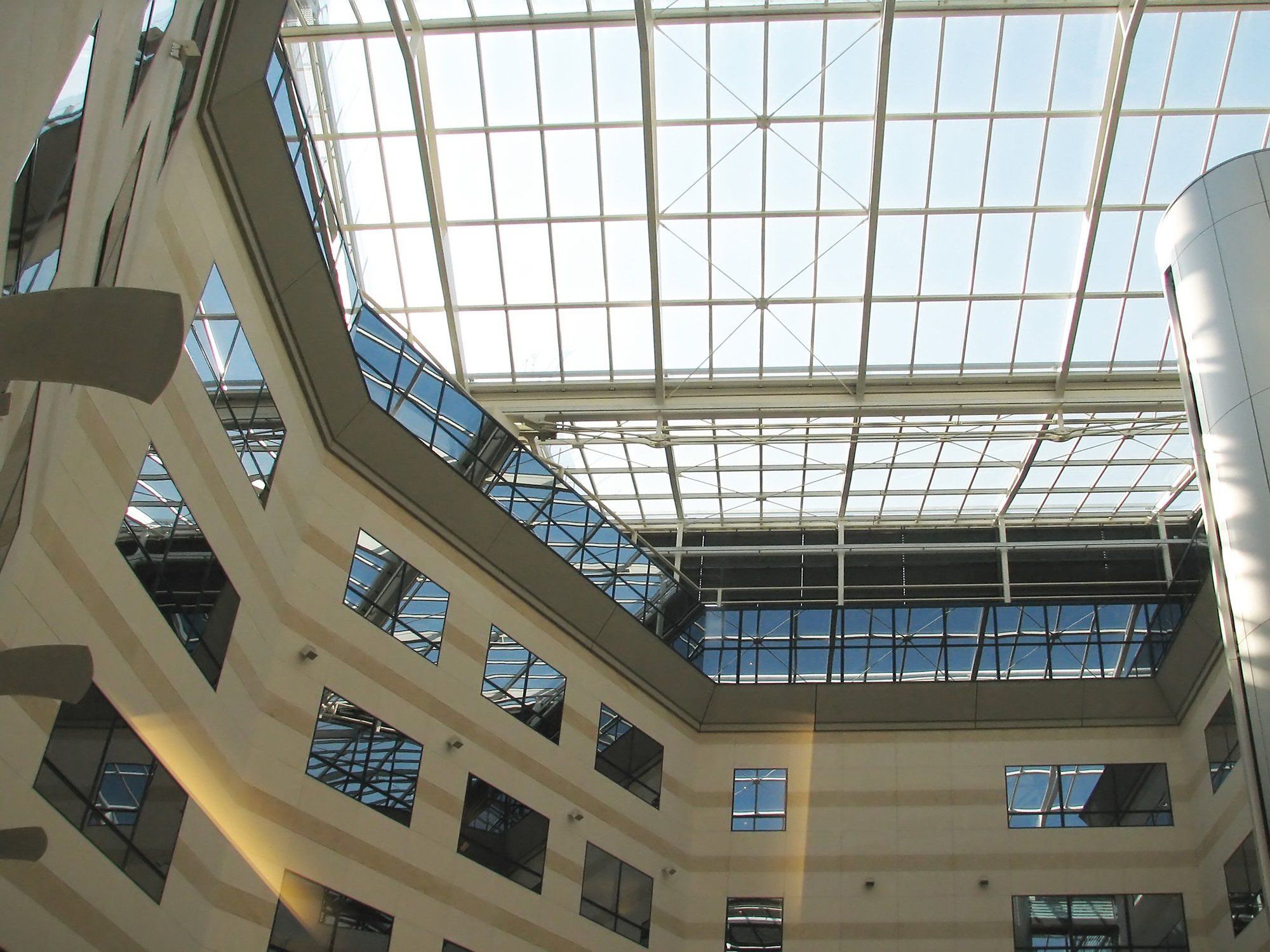
Choosing skylight systems over traditional roof lighting is not always a simple upgrade decision. The better option depends on how the building is used, how the roof is built, and the kind of long-term performance the facility needs.
For some properties, skylight systems can support daylighting and efficiency goals. For others, traditional lighting may offer better control, fewer roofing complications, or a better fit for the space. A practical comparison starts with where skylights work best, then moves into cost, efficiency, and roof integration.
When Skylight Systems Make More Sense Than Traditional Roof Lighting
In the right building, skylight systems offer something traditional roof lighting cannot match as easily. They bring in daylight without relying on powered fixtures during the day. That can be especially useful in large interiors that stay active for long hours and depend heavily on artificial lighting.
This option usually makes the most sense when a facility needs more than a simple lighting fix. Skylights can support a broader daylighting strategy tied to comfort, visibility, and daily building use. They can also make more sense when roofing work is already planned. In that case, the lighting decision can be reviewed alongside alterations and retrofits.
Which Buildings Benefit Most From Natural Roof Daylighting
Not every building gets the same value from daylighting. Properties with wide roof spans and open interiors usually benefit the most. Daylight can travel farther in those spaces without being blocked by walls, offices, or equipment.
Warehouses are a strong example. Many operate during the day and rely on overhead fixtures across large floor areas. Industrial buildings, schools, and some commercial spaces can also be good candidates when the layout allows light to spread effectively. If the interior is highly segmented, traditional lighting may still provide more even and predictable coverage. That is why it helps to start with an estimate or inspection.

Cost Considerations Between Skylight Systems and Traditional Lighting
Cost is usually one of the first questions, but it is not always a simple side-by-side comparison. Traditional roof lighting may seem easier upfront because the work often centers on fixtures, controls, and electrical installation. Skylight systems involve roof integration, flashing, placement, and coordination with the roof assembly.
That usually means a higher initial cost, especially when skylights are added to an existing roof. The comparison should not stop at installation price, though. Facilities also need to consider long-term performance, possible daytime lighting savings, and future upkeep. That discussion connects naturally to maintenance and repair.
How Skylight Systems Support Energy Efficiency Goals
For many properties, the main long-term value of skylight systems is their ability to bring usable daylight into the building during work hours. When that daylight is distributed well, facilities may rely less on powered lighting during the day. In large, occupied spaces, that can support broader efficiency goals.
A practical review usually comes down to three points:
- daylight can reduce reliance on artificial lighting during daytime hours
- better daylighting can support broader building performance goals
- placement, glazing, and installation quality all affect long-term results
In some cases, it also makes sense to review broader roof performance options such as coating systems. That helps keep the conversation focused on building performance as a whole.
Roof Integration Matters More Than Many Facility Teams Expect
Skylights should never be treated as a stand-alone interior upgrade. Once installed, they become part of the roofing system. Their performance depends on proper flashing, sealing, curb details, drainage, and coordination with nearby rooftop components.
That is one reason timing matters. Adding skylights during planned roofing work is often more practical than retrofitting them into an aging roof later. The existing membrane condition, insulation assembly, drainage layout, and nearby penetrations all affect whether the addition makes sense. From a roofing standpoint, the goal is not just to add light. It is to do so without increasing leak risk or future maintenance issues. In some cases, that broader review may also point to roof replacements.

When Traditional Roof Lighting Is Still the Better Choice
Skylights can offer real advantages, but they are not always the better fit. In some buildings, traditional roof lighting remains the more practical choice. It gives facility teams more control without adding complexity to the roof system.
That can matter in older buildings, rooftops with limited usable space, or interiors that need tightly controlled light levels. Manufacturing areas, specialized work zones, and round-the-clock facilities may depend on steady artificial lighting no matter what daylight is available outside. In those cases, it may make more sense to prioritize urgent roof issues first, especially if the building already needs emergency repair service.
Choosing the Better Fit for the Building
The better option is the one that fits the roof, the layout, and the way the building operates every day. For some facilities, skylight systems can support daylighting and efficiency. For others, traditional lighting may remain the more reliable choice.
A careful review is a smart place to start. Teams that want project-specific guidance can contact Delta Roofing to discuss the roof, the building layout, and the most practical next step.
Leave a Reply