
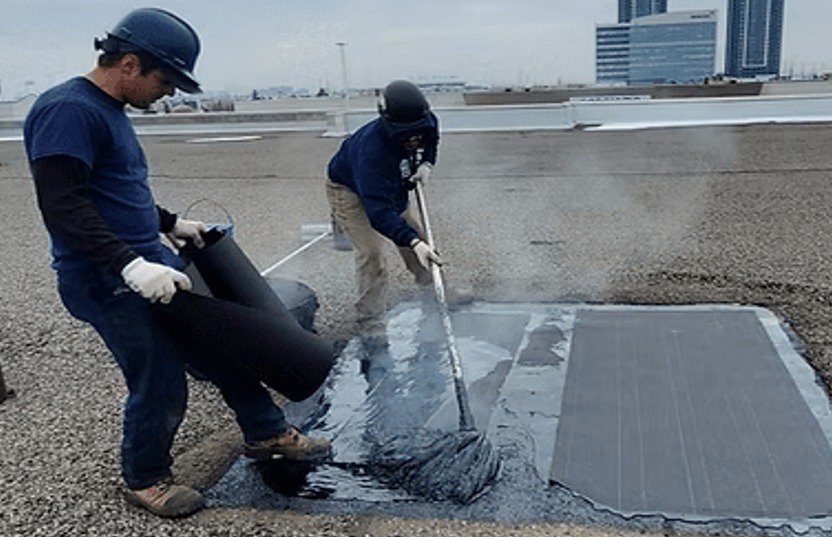
Delaying routine inspections, minor repairs, or planned service before roof problems get worse is what we call deferred roof maintenance. It may seem like a way to save money in the short term, but for industrial facilities, it often leads to higher costs later. Small roofing issues can turn into leaks, damaged insulation, emergency repairs, production disruption, and larger replacement needs. Delta Roofing says routine maintenance and repair help extend roof life, prevent unexpected damage, and maintain overall roofing system performance.
For plant managers, facility managers, technical staff, procurement teams, and building owners, that makes roof maintenance more than a routine task. It is part of protecting the building, controlling operating costs, and keeping the facility running without avoidable interruptions.
Why Deferred Roof Maintenance Gets Expensive Fast
Most roofing problems do not start with a major failure. They begin with smaller issues that are easy to postpone, such as an open seam, worn flashing, standing water, or a weakening penetration around rooftop equipment.
On an industrial facility, those problems rarely stay small. Once moisture enters the system, the cost can spread beyond the roof itself. Insulation performance can drop, interior areas can be affected, and equipment, materials, or operations below may be put at risk.
That is why delayed roof maintenance often leads to higher costs. What could have been handled through planned service turns into urgent work under worse conditions.
The Cost Is Not Only the Repair Bill
When facilities defer roof maintenance, the cost often goes beyond the roofing invoice. A neglected roof can lead to higher repair costs, unplanned service calls, more pressure on maintenance teams, shorter roof life, and earlier replacement needs.
For industrial facilities, downtime can be one of the biggest hidden costs. Even a small leak can affect production areas, storage, access routes, or building systems. At that point, the issue is no longer limited to the roof. It starts affecting how the facility runs.
This is why regular Maintenance & Repair matters. Routine maintenance and minor repairs are a cost-effective way to maintain roofing system performance over time.
What Deferred Roof Maintenance Often Misses
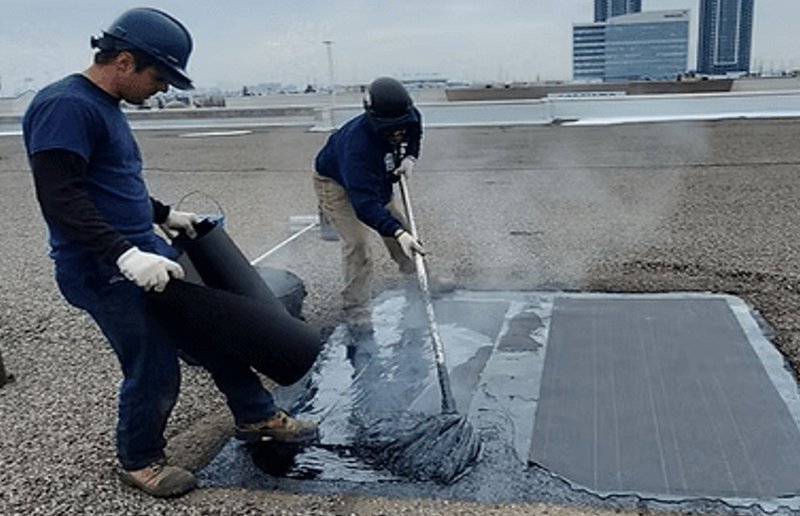
Deferred roof maintenance is risky because roof systems can decline without obvious signs inside the building. Problems may develop at flashings, seams, penetrations, drainage paths, low spots, or below the surface where insulation has taken on moisture. Aging sections may also be nearing the end of their service life. By the time the issue becomes visible indoors, the repair scope is often larger than expected.
That is where Estimates & Inspections add value. Inspections help assess roof condition, identify needed repairs or upgrades, and estimate future maintenance or replacement costs.
Industrial Facilities Need a Different Roofing Mindset
Industrial properties are not managed the same way as smaller commercial buildings. The stakes are different. Roof decisions may affect production schedules, tenant obligations, safety planning, inventory protection, and capital budgeting. Because of that, roof maintenance should be treated as an operational decision, not just a repair issue.
A planned roofing approach helps teams:
- schedule work before failures disrupt operations
- coordinate roofing needs with plant or facility activity
- reduce emergency situations
- make better use of maintenance budgets
- plan ahead for future repair or replacement work
This is also where detailed reporting becomes useful. A clear view of roof condition helps decision-makers separate minor repairs from signs of broader system wear.
Rooftop Changes Can Add More Risk When Maintenance Is Deferred
Industrial roofs often change over time. Equipment is added, systems are updated, and new penetrations are made to support operations. If those areas are not detailed and maintained properly, they can become weak points.
Deferred roof maintenance increases that risk. A penetration that looked sound after installation may not stay that way. Without follow-up review and care, it can become a source of leaks and ongoing deterioration.
That is why Alterations & Retrofits should be tied to ongoing roof care.

When Deferred Maintenance Turns into Emergency Work
One of the clearest hidden costs of deferred roof maintenance is the shift from planned work to emergency response.
Emergency service is essential when sudden damage happens, but it is rarely the most efficient way to manage a roof over time. Delta Roofing says its Emergency Repair Service is available when unexpected repairs are needed.
When issues are handled earlier, teams usually have more control over cost, timing, and repair scope. When they are delayed, the options narrow and the urgency grows.
How Roof Maintenance Supports Better Long-Term Decisions
Routine roof maintenance also helps facilities decide when repair is still practical and when a larger investment is the better move.
Some roofs can continue performing well with ongoing repairs. Others may be better candidates for Coating Systems or a full Roof Replacement. Delta Roofing lists both services as part of its commercial, industrial, and institutional roofing offering.
The advantage of consistent maintenance is that these decisions can be made earlier, with better information and less pressure.
A Smarter Way to Protect Industrial Facilities
The hidden cost of deferred roof maintenance is not just the repair itself. It is the added damage, the shorter roof life, the disruption to operations, and the loss of control that comes with waiting too long.
For industrial facilities, routine maintenance is a practical way to protect the building and reduce avoidable cost over time. Delta Roofing offers services that support that full process, from Estimates & Inspections and Maintenance & Repair to Emergency Repair Service and Roof Replacements.
If your facility has been putting off roof work, contact us to assess current roof conditions and address small problems before they turn into larger ones.


Leave a Reply