
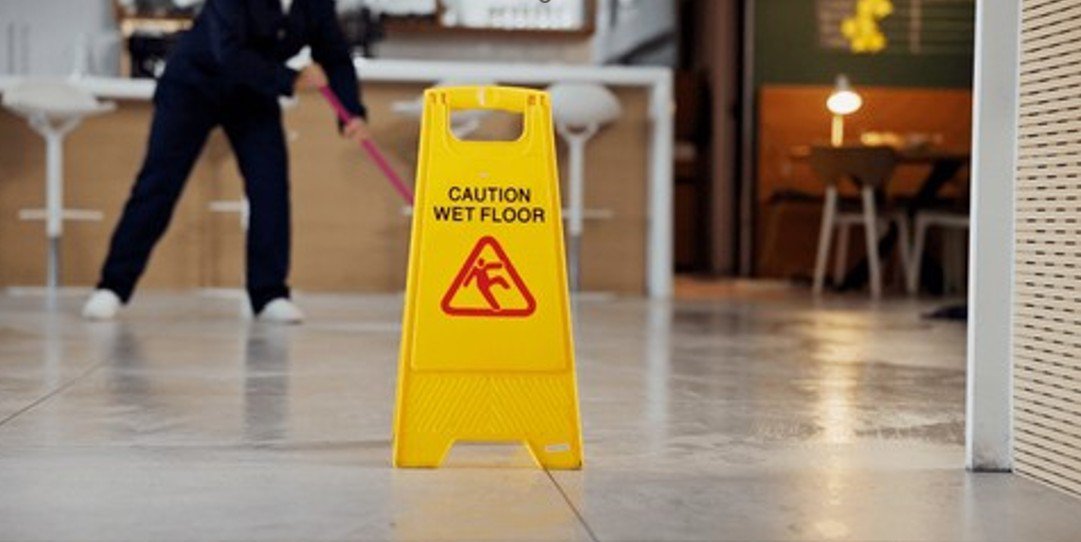
A roof leak in a commercial or industrial building needs a fast, organized response. What looks like a small interior drip may point to a larger issue above the deck. The cause may involve drainage, flashing, penetrations, or membrane wear. In the first hour, facility managers do not need to diagnose the full problem. They do need to protect people, limit interior damage, and start the right next step. The first hour is about control, not guesswork.
Protect People and the Interior First
The first priority is the area inside the building. Water entering through the roof can create hazards around floors, ceilings, equipment, and access paths. In some facilities, the location of the roof leak matters as much as the leak itself. A leak above a hallway is one thing. A leak above a mechanical room, storage area, tenant space, or production zone can create a much wider problem.
Facility managers should check the area right away. Then they should decide whether it needs to be isolated. That may include moving people away from the leak, restricting access, placing containers under active drips, and protecting nearby materials or equipment. If water is close to electrical systems or sensitive equipment, internal maintenance staff may need to respond at once.
This first step matters because a roof leak does not stay a roofing issue for long. It can quickly become a safety issue and an operations issue if the response is delayed.

Document the Roof Leak While Conditions Are Still Clear
Once the area is stable, the next step is documentation. The first hour often gives the clearest view of how the leak is behaving. That can change quickly as stains spread or water moves.
Make a record of:
- the active leak location
- visible ceiling damage
- standing water
- nearby materials or equipment at risk
- when the leak was first noticed
- where it appears inside the building
- weather conditions at the time
- whether the area has leaked before
That information can tell the roofing team a lot. A leak during wind-driven rain may point to one type of issue. A leak after prolonged ponding or thawing may suggest another. Repeated leaks in the same area may also point to an ongoing roof detail, not a one-time problem.
Good documentation helps the roofing team start in the right place. It also makes follow-up through Estimates & Inspections more useful when the roof needs a closer review.
Contain Water and Avoid Quick Fixes
After the leak is documented, the focus should shift to limiting further interior damage. Buckets, protective coverings, and moving vulnerable materials can all help reduce the immediate impact. At the same time, facility managers should watch how the water is moving.
On commercial and industrial roofs, water does not always travel straight down from the entry point. It may move through insulation, along the deck, or around penetrations before it becomes visible indoors. That means the active drip inside may not line up with the actual entry point on the roof.
This is also why improvised repairs can create more problems than they solve. A temporary patch may fail quickly. It may also hide the real source of the leak. The first hour is usually not the time for guesswork on the roof surface. It is the time to contain the water, protect the building, and direct the issue toward the right roofing response.

Start the Right Roofing Response Early
A roof leak should not sit too long before a commercial roofing contractor is called. In some cases, the building needs Emergency Repair Service to control active water entry and reduce further damage. In other cases, the leak needs a more detailed follow-up once conditions are stable.
This matters because commercial and industrial leaks are often tied to specific roof details. The cause may involve flashing lines, membrane seams, drainage trouble, or penetrations around rooftop equipment. If the building has had recent changes, such as new HVAC units, plumbing work, or added roof openings, those areas may need closer attention. Roof changes that support building operations can become weak points over time. That is one reason Alterations & Retrofits may become part of the larger discussion.
Some leaks can be handled through targeted Maintenance & Repair. Others require a broader review of the roof system, including nearby seams, flashing, and penetrations. The goal in the first hour is to start the right process instead of assuming the issue needs only a quick patch.
Use the First Hour to Prepare for the Next Decision
The first visible leak is not always the full problem. It may be the first sign of a larger roofing condition involving drainage, aging materials, repeated stress, or trapped moisture. That is why the first hour should help set up the next step. Some leaks can be handled through targeted repairs. Others may require broader inspection, condition analysis, or a larger discussion about Coating Systems or Roof Replacements if the affected section is showing wider wear.
Keep Communication Clear from the Start
Clear communication helps the next step move faster. Building owners, maintenance staff, operations teams, or property managers may all need a simple update on what was found, what area is affected, and what actions are already in motion. A clear record reduces confusion and supports better decisions. If your facility is dealing with a roof leak, Delta Roofing can help you take the next step before the damage spreads.

Leave a Reply